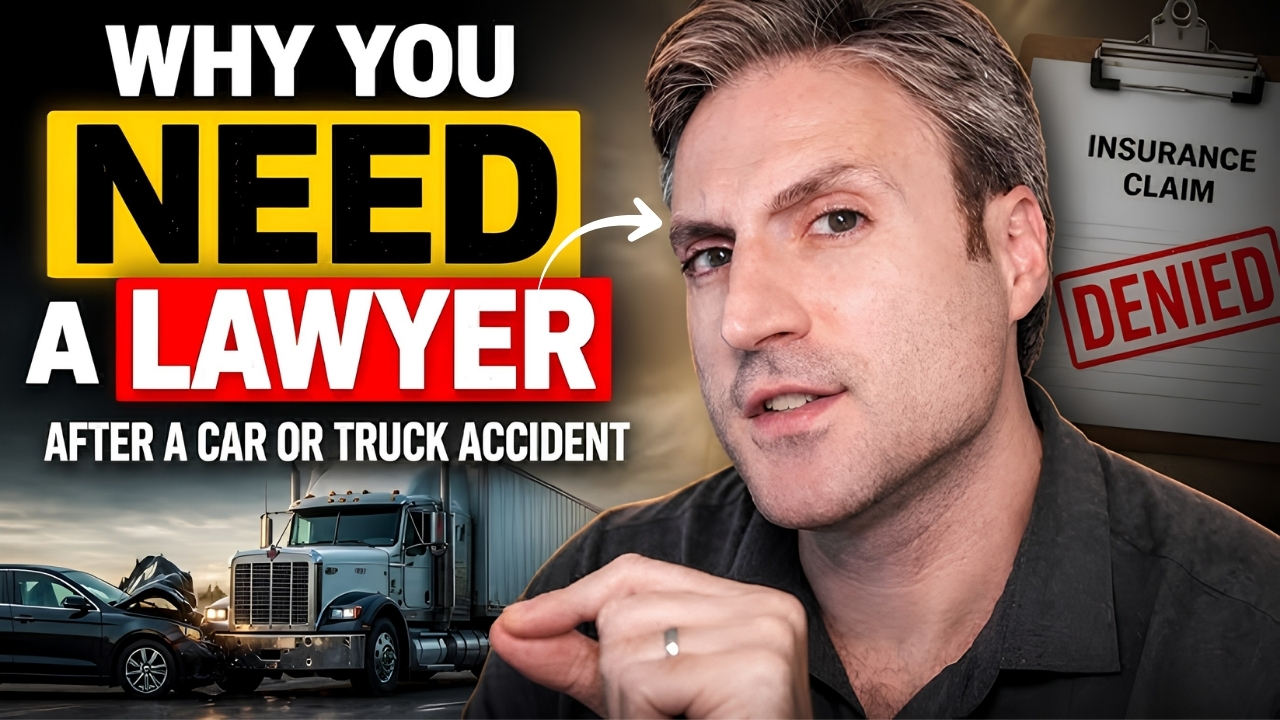
A car accident can upend your life in seconds, leaving you with injuries, bills, and confusing insurance rules.
A skilled car accident attorney helps you navigate claims, protect your rights, and pursue fair compensation without shouldering the legal burden alone.
What a Car Accident Attorney Actually Does
A car accident attorney is more than a negotiator; they are your advocate from the first call to the final settlement or trial.
Their job is to build a clear, evidence-backed case that shows who was at fault and how the crash changed your life.
They handle communications with insurance companies, gather police reports and medical records, interview witnesses, and work with experts when needed.
This matters because insurers often push for quick, low offers before you understand the full cost of your injuries.
An attorney also watches deadlines. In many U.S. states, you have only a few years to file a personal injury lawsuit, and missing that window can end your claim.
When You Should Call a Lawyer After a Car Accident
Not every fender-bender needs a lawyer, but certain situations almost always do. If you suffered serious injuries, needed emergency care, or expect ongoing treatment, speak with an attorney quickly.
You should also call a lawyer if fault is disputed, the other driver blames you, or your claim is denied or undervalued. If you are approaching your state’s filing deadline, do not wait—get legal advice now.
Even if you feel “okay” right after the crash, it is wise to get a medical evaluation. Some injuries, like soft-tissue damage or concussions, show up days later, and early documentation strengthens your case.
Types of Compensation You Can Seek
Compensation after a car accident generally falls into two main buckets: economic damages and non-economic damages.
Some cases also involve punitive damages when the other party’s behavior was especially reckless.
Economic Damages: The Receipts Half
Economic damages cover the money the crash cost you. This includes medical bills for emergency care, surgeries, therapy, prescriptions, and future treatment.
It also includes lost wages if you missed work, and loss of earning capacity if your injuries limit your ability to earn in the future.
Property damage is part of economic damages too. You can seek payment for vehicle repairs or replacement, rental car costs while you are without your car, and sometimes the drop in your car’s value after repairs.
Non-Economic Damages: The Human Half
Non-economic damages address how the crash changed your life beyond bills. This includes pain and suffering, emotional distress, anxiety, depression, or PTSD linked to the accident.
You may also recover for loss of enjoyment of life if injuries keep you from hobbies, family time, or daily activities you once loved.
In cases involving married couples, loss of consortium may apply when injuries strain companionship or intimacy.
Punitive Damages: The Punishment Branch
Punitive or exemplary damages are rare and reserved for extreme conduct, such as drunk driving or intentional harm.
Their purpose is not just to compensate you but to punish and deter dangerous behavior.
How Attorneys Maximize Your Settlement
A good attorney knows how insurers think and where they try to cut corners. They maximize your settlement by documenting everything: medical records, bills, photos of vehicle damage and injuries, witness statements, and a clear timeline of events.
They also frame your story in terms the law understands. Instead of just listing bills, they show how injuries affect your daily life, work, and relationships, which supports higher non-economic damages.
Negotiation is a big part of this work. Attorneys use demand letters, medical expert opinions, and sometimes the threat of trial to push for a fair offer rather than the first low number.
What to Do Immediately After a Car Accident
Right after a crash, safety comes first. Pull over to a safe spot if you can, check for injuries, and call 911. Exchange information with other drivers and gather witness names if possible.
Document the scene with photos and notes. Capture vehicle positions, damage, road conditions, and any visible injuries. Keep all police and medical reports, and do not give recorded statements to the other driver’s insurer without legal advice.
Notify your own insurance company promptly. Most policies require you to report accidents within a day or two, even if you plan to hire a lawyer.
What to Bring to Your First Lawyer Consultation
Preparation makes your first meeting more productive. Bring police reports, medical records and bills, insurance information, photos of the scene and vehicle damage, and witness contact details.
Also bring any messages, emails, or letters from insurers, and a short written timeline of what happened. Prepare a list of questions so you leave with clear next steps.
How Legal Fees Usually Work
Most car accident attorneys work on a contingency fee basis. This means you do not pay upfront; the lawyer takes a percentage of your settlement or award only if they win your case.
Ask about the exact fee percentage, whether it changes if the case goes to trial, and what costs (like filing fees or expert fees) are deducted from the recovery. A transparent fee agreement protects you from surprises later.
10 FAQs About Car Accident Attorneys
1. What should I do immediately after a car accident?
Move to a safe location if possible, check for injuries, call 911, exchange information, document the scene with photos, and seek medical care even for minor pain.
2. Do I need a lawyer for a minor car accident?
If injuries are minimal, fault is clear, and your claim is paid fairly, you may not need one. But if injuries, disputed fault, or low offers appear, consult an attorney.
3. How long do I have to file a car accident claim?
Deadlines vary by state, but many give you two to three years from the accident date to file a personal injury lawsuit. Confirm your state’s rule with a lawyer.
4. What if the insurance company offers a quick settlement?
Be cautious. Early offers often ignore future medical costs and non-economic damages. Have an attorney review the offer before you accept.
5. Can I handle my car accident claim without a lawyer?
You can, but insurers have teams focused on minimizing payouts. An attorney levels the playing field and handles complex legal and medical issues.
6. What types of compensation can I seek after a crash?
You can seek economic damages (medical bills, lost wages, property damage), non-economic damages (pain and suffering, emotional distress), and sometimes punitive damages.
7. Will my case go to trial?
Most car accident cases settle before trial. But having an attorney ready for trial often improves your settlement offer.
8. How much does a car accident attorney cost?
Many work on contingency, taking a percentage of your recovery only if they win. Ask about the percentage and any additional costs.
9. Should I speak to the other driver’s insurance company?
It is usually best to let your attorney handle all communications with the other insurer to protect your rights and avoid harmful statements.
10. What if I was partly at fault for the accident?
Many states allow recovery even if you share some fault, though your compensation may be reduced. An attorney can explain how your state’s rules apply.
Final Thoughts
A car accident attorney does not just file paperwork; they build a strategy around your injuries, your losses, and your future.
By acting quickly, documenting thoroughly, and leaning on experienced legal help, you give yourself the best chance at a fair outcome.